What should you check when one room stays cold?
Compare the cold room with a comfortable room, record the pattern, and stop before a valve, pressure, gas, or electrical task becomes unsafe.
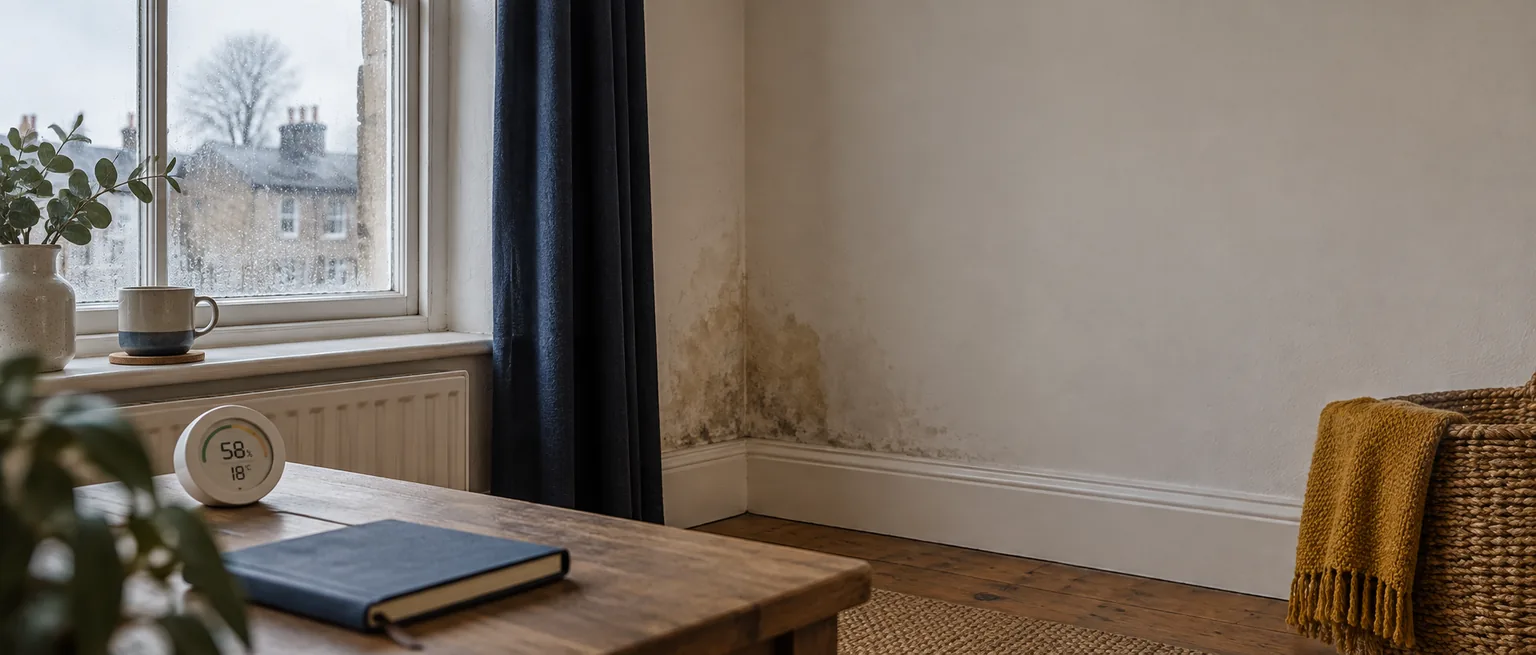
Compare the room before touching the system
One cold room is a localization problem: first determine whether the room, emitter, control or whole system is different. Record temperature and timing before turning valves or bleeding anything. In a rental, a shared building or a system with a leak, the safest next action may be to contact the landlord, syndic or qualified heating professional rather than trying a universal internet fix.
| Pattern | Observation without tools | Next safe move |
|---|---|---|
| One radiator cold while others heat | Compare valve position, furniture obstruction and room temperature. | Record the difference; follow the equipment manual or request service. |
| Top cold, bottom warm or uneven heat | Note the pattern and whether it repeats after a full cycle. | Do not assume bleeding is appropriate; ask the responsible professional. |
| Leak, unusual noise or pressure warning | Stop handling the emitter and keep people away from hot water. | Shut down only as the manual permits and escalate promptly. |
Use a room comparison sheet
- Measure or estimate the same observation in the cold room and a comfortable room at the same time.
- Record thermostat or radiator-control position, door position, curtains, furniture and outside conditions.
- Check that supply and return vents or radiators are not covered. Do not remove covers or panels.
- Write whether the home has individual heating, a heat network, a shared boiler or a landlord-managed system.
- Send the record with a photo of the room and any visible code or leak. This is more useful than saying “the radiator does nothing.”
Example: bedroom colder than living room
The bedroom is two degrees cooler, its radiator is partly behind a cabinet and the door stays closed. First clear the accessible obstruction if safe and observe a full heating cycle. If the emitter remains cold, the building is collective, or a valve leaks, stop and contact the responsible party. Do not force a seized valve or repeatedly bleed a system you cannot safely repressurize.
Boundary: surface temperature is not proof of a fault, and this guide does not authorize gas, electrical or pressurized-water work. Burns, leaks, combustion odours, unusual pressure or repeated loss of heat require qualified help.
Pair this record with indoor humidity measurements when comfort is the question, and use the professional decision guide when the observation crosses a safety boundary.
Sources: U.S. Department of Energy: home heating systems; equipment manuals and local building or tenancy guidance control the final action.